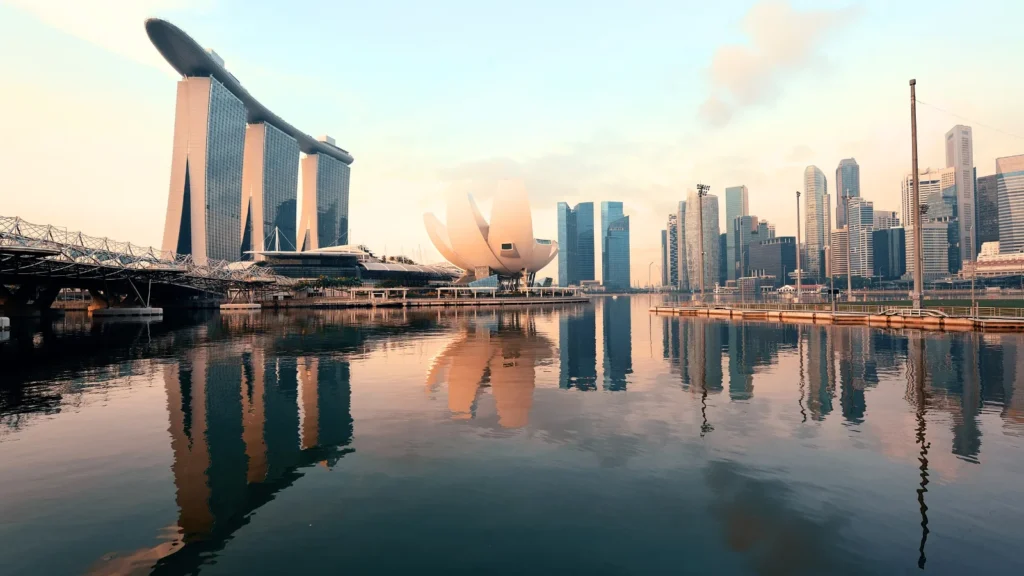
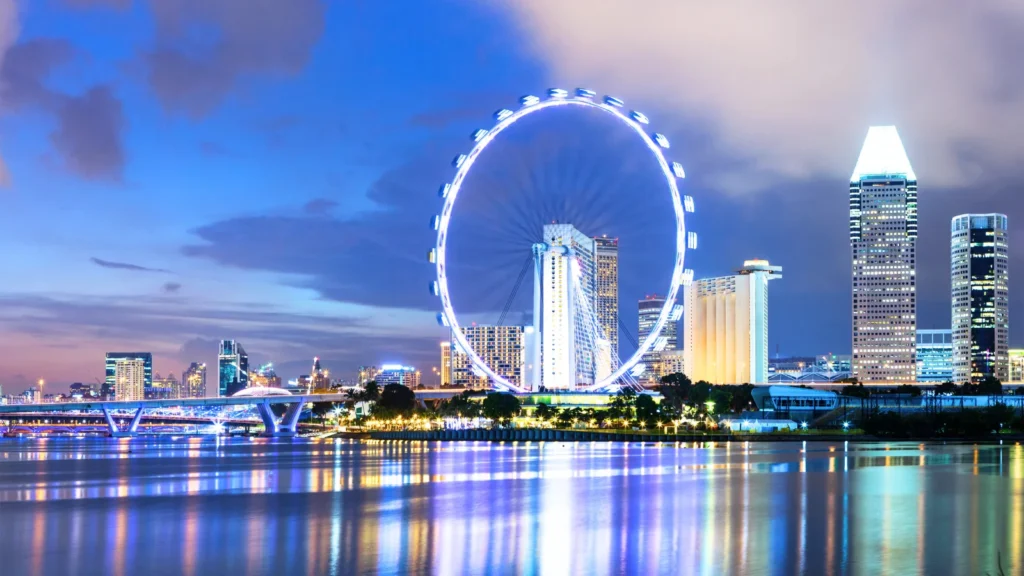
Singapore and the quiet architecture of alignment.
A city engineered twice — once in history, once in the future.
Before it became a global city-state, the island was called Temasek. It was a trading settlement mentioned in Chinese and Javanese texts from the 13th and 14th centuries. It served as a regional port, exchanging goods with neighbouring empires. Legend tells of Sang Nila Utama, who is said to have named it Singapura — the Lion City. Modern Singapore began in 1819 when Sir Stamford Raffles established a British trading post. Its strategic position — at the southern tip of the Malay Peninsula, along key maritime routes — enabled it to develop into a thriving free port. Under British rule, it became part of the Straits Settlements, leading to growth in trade and infrastructure. Migration also reshaped its social fabric.
The 20th century brought challenges. The Japanese occupation during World War II left deep scars. In 1965, after a brief union with Malaysia, Singapore became an independent republic. Since then, careful planning and strong policies have made it one of the world’s most organised financial centres. History here is subtle but strategic. You can see this strategy in the skyline, in the transport system, and in how the city functions.
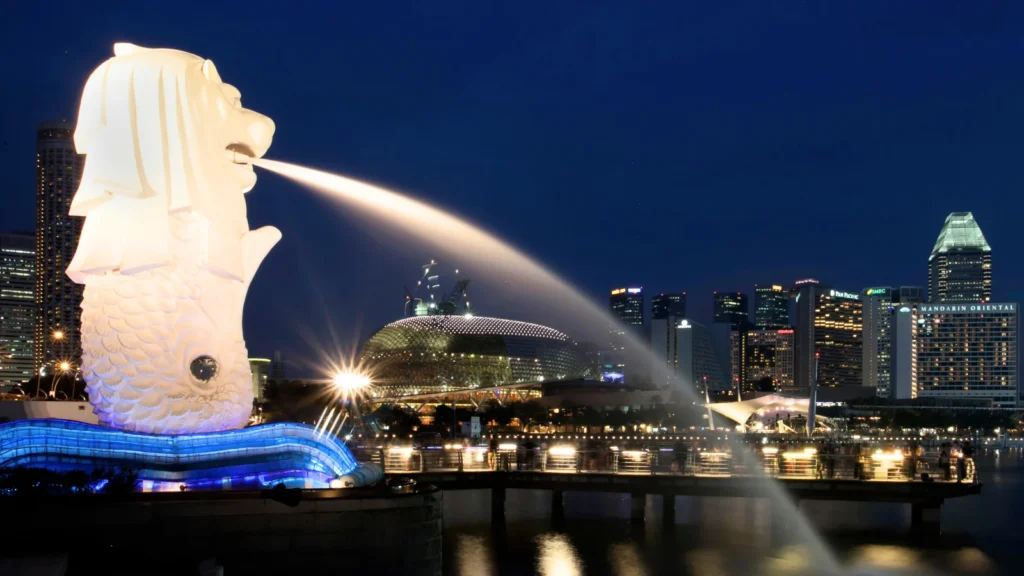
But I chose to stay away from the towers.
In Joo Chiat, near the sea, mornings begin differently. The air feels softer. People walk along the coast without urgency. The rhythm is slower, but not unproductive — just human. Here, Singapore feels less engineered and more lived in.
I spent mornings at 174 Bingo Bakery. Afternoons at Carlitos Casa de Comidas. Evenings at Braseiro. No spectacle. Just good food, well done.
And even here, structure remains — but it breathes. Hawker centres carry stories from generations. Some stalls now hold Michelin stars. Restaurants focus on quality without the fuss — they deliver with ease. Flavours are bold. Spaces are calm. You don’t eat to satisfy hunger; you eat because it’s part of the experience. Even indulgence has a sense of structure. Of course, there are challenges. Rent is high. Competition is fierce. Work culture can be demanding.
However, the intensity here remains balanced, not chaotic. Singapore doesn’t offer drama; it offers clarity. And for some, clarity feels like freedom.
Singapore may not completely change your life. But it might help you find a smoother way to live. Sometimes, transformation isn’t about loud changes or escaping.
Sometimes, it’s about finding alignment.
Singapore may not crack you open. But it may teach you how a life can run without friction. And sometimes, that is enough.