Ubud — The Green Heart of Bali
Ubud is more than a tourist spot; it’s alive with memories. Its name comes from the Sanskrit word “ubad,” meaning medicine. This fits with precision: time slows, bodies relax, and minds find calm.
A Royal and Cultural Heritage
Since the eighth century, Hindu priests have used Ubud for meditation. It grew into Bali’s artistic and cultural hub. After the Majapahit Empire fell, Javanese elites moved here and shaped its identity. In the early 20th century, the Puri Saren royal family kept Ubud’s traditions alive. They also welcomed new ideas. Tjokorda Gde Agung Sukawati played a key role in this transformation.
Where Art Met the World connects creativity and culture.
Ubud gained fame in the 1930s when Walter Spies and Rudolf Bonnet arrived. This sparked a revival that blended traditional Balinese art with modern techniques. Still, it kept its essence.
Ubud Today
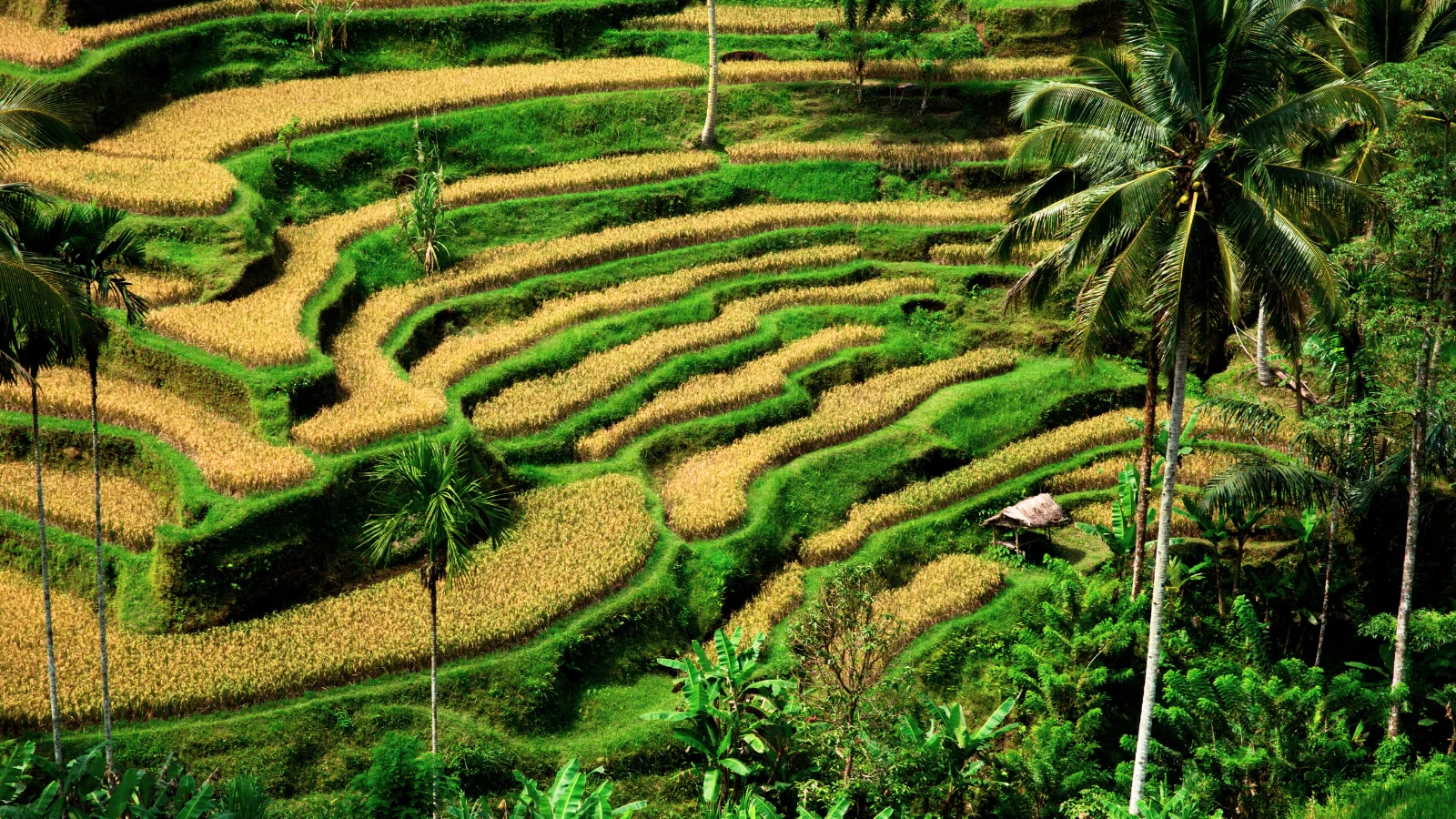
You might see someone doing yoga at sunrise. Nearby, another person prepares temple offerings. The rice terraces still use the ancient Subak system. This UNESCO-protected method shows balance. Ubud’s charm lies in its living history; the past thrives here.
The Two Faces of Bali
Bali is popular, especially with Australian visitors, who often see it as a beach escape. But that’s one side. The island has two rhythms:
- Along the coast, the music never stops.
- Inland, silence enhances the experience.
Canggu and Uluwatu are lively, while Ubud offers depth. Most visitors select their preferred version of Bali here without realising it.
The Rhythm of Ubud is an experience you shouldn’t miss.
Ubud isn’t a checklist; it’s a change of pace. The day starts early, with streets waking up as mist lingers. Some people set out at night to reach Mount Batur before sunrise. On the Campuhan Ridge Walk, voices take on a lower tone. In the Monkey Forest, the monkeys seem calmer than the visitors. Waterfalls feel like hidden gems, best discovered in the morning. In Ubud, paying attention matters more than planning.
A Quiet Routine I Fell Into in Ubud
I’ve always been an early riser, and Bali suits that rhythm. Mornings in Ubud are never rushed; they begin. Most days started at BGS in Penestanan. I enjoyed almond milk coffee after sunrise as the town woke up. Familiar faces appeared each morning. After a few days, the café felt more like a gathering spot than a café. I went there not for coffee, but to ease into the day. Food in Ubud has a warning: the spice levels match local tastes, not what visitors expect. It takes time to adjust. Still, the island offers quiet support. Whatever you face, someone has dealt with it before. Many gyms in Ubud and Tegalalang became part of my routine. Titi Batu felt right for me: swim first, then work, and repeat if needed. When work got too serious, I’d cross the street to Common Sense for something simple from the market inside. Sweet potato chips turned into a habit.
Leaving the jungle for the sea
After a few days in Ubud, the ocean’s call becomes strong. Uluwatu is the obvious choice, but quieter spots exist. Virgin Beach is best enjoyed early, with a sea breeze and a long lunch. Amed feels calm, especially for diving, matching the water’s pace. Sanur surprised me with its gentle vibe. Evenings often wrapped up at Fisherman’s Club. A reservation ensures a smooth night.
Moments of stillness in motion
Back in Tegalalang, I often returned to Blue Karma Dijiwa for spa days. It’s more than a treatment; arriving early lets the day unfold. The pool, quiet restaurant, and boutique all contribute to a peaceful afternoon.
Some mornings were for lighter rituals. I’d have breakfast at Alchemy Bali when I planned ahead. On other days, I went to the Pyramid of Chi for sound healing. It offered a unique stillness.
Choosing Where to Stay
The location of your stay in Bali can have a major impact on your experience. Direct booking is often best for small properties and villas. Groups can choose spacious options at good prices. Solo travellers often like smaller boutique hotels for better connections to their surroundings. I don’t list hotels or villas like a typical guide. I have a small list of places that show Ubud’s spirit. They are quiet, design-focused, and close to nature. Check out my Airbnb favourites.
Small Practical Things That Matter
Living, even temporarily, becomes easier with the support of a few beneficial habits.
- Bintang Supermarket for cooking days.
- Grab is great for getting around the island.
- Renting a local scooter is better than using a hotel desk (KD Sayan Motor Rental was always helpful).
These simple strategies make living on the island easier than visiting.

Island Lessons Whispered
Bali wakes up early. People earn little, yet they rarely rush. A simple greeting or small tip can make a big difference. If a gecko enters your room, consider it a sign of good luck. You can either pass through Bali or build a relationship with it. The experience depends on the visitor.
Areas within Ubud
Good places to stay include:
- Penestanan: Walkable streets and small cafés.
- Sayan: Rice fields and quiet surroundings.
- Tegalalang: Perfect for those who want to wake up in nature.
In Ubud, being away from the centre often means being close to the experience. Some places are more than places to stay; they offer enriching experiences.
Bambu Indah and Lumina show why Ubud is special. Their rooms connect you with nature. Food, architecture, and silence share the same language. A few nights in such places can change how you see the rest of the island. Connection often starts here.
The Budget Reality
Bali is still seen as cheap, but that view has become outdated. Without careful planning, costs can escalate to significant levels. The comfort or chaos you feel usually comes from small choices made before you arrive.