
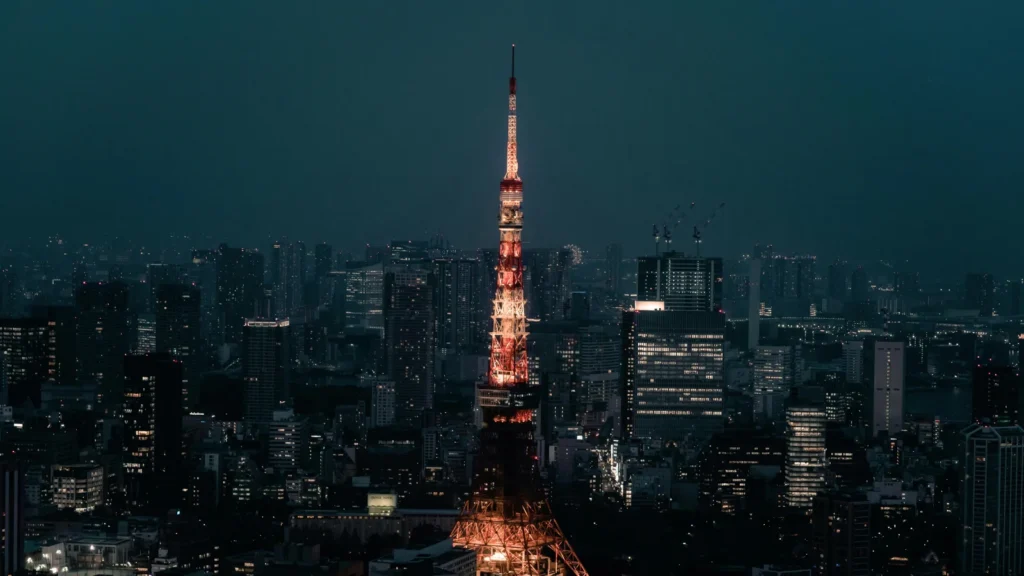
Ginza discipline, Shinjuku energy, Shibuya tempo.
Tokyo doesn’t reward checklists. It rewards rhythm.
After a month here, the city felt less like a destination and more like a system—precise, layered, and ever-changing. Tokyo’s true luxury is in daily life: how things flow, how people move, how standards stay high, and how fast you can reset when the city feels overwhelming.
Ginza became my morning language. Shinjuku became my night logic. Shibuya set my evening tempo. Omotesando and Aoyama offered a quieter side of Tokyo—a place where design speaks louder than noise. Hakone was my reset: one night at an onsen to clear my mind and sharpen my focus.
Ginza in the morning shows Tokyo at its most disciplined. You walk and sense the city’s care: orderly streets, a calm pace, and a silence filled with intention. Ginza’s department stores aren’t just shops; they’re hospitality systems. You learn how Tokyo builds trust through consistency, even if you buy nothing.
Shinjuku at night is dense yet functional. The intensity shifts from chaotic to navigable. My rhythm here is simple: late meals, long walks, and a park to rebalance. Tokyo’s parks aren’t just for looks; they help keep you grounded.
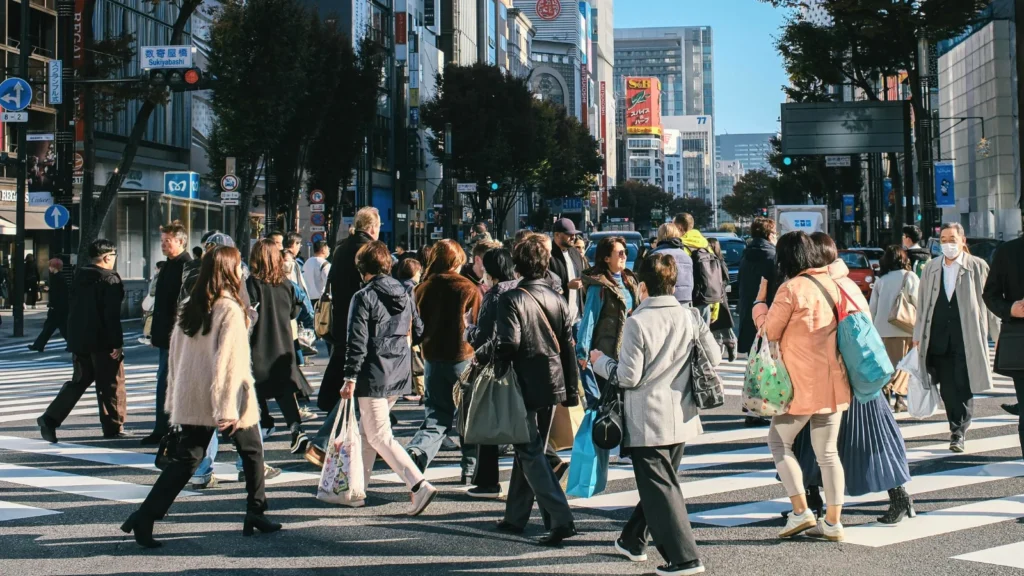
Shibuya in the evening captures Tokyo in the present. It shines not at noon but when the light shifts. Then, the streets become a lively cultural hub—movement, style, quick choices, and detours that shape the night. Shibuya thrives on soft structure: plan the window, not the order.
For a quieter Tokyo, I headed to Omotesando and Aoyama. The city’s volume lowers there. It becomes architectural and more intentional.
Nezu Museum became a key stop. Its garden offers a calming escape from the city’s sensory overload.
Eventually, Tokyo creates a mental backlog, no matter how well you manage it. That’s where Hakone comes in—not for a rushed day trip but as a one-night reset. Onsen time slows your inner clock. Meals become quieter, and decisions fade. When you return, Tokyo feels the same, but you feel clearer. That’s the whole point.
Where I would stay (two moods)
For classic, high-confidence Tokyo luxury—service, views, spa culture—these three are anchors:
For boutique luxury with a local feel—stylish and personal—these three spots are Tokyo’s “quiet flex” options:
The apps I wouldn’t do Tokyo without
Tokyo is efficient, but you still need the right tools:
- PayPay
- Suica / PASMO (Apple Wallet)
- YESIM (eSIM)
- Tabelog (Local-loved restaurant guide & reservations.)
Before you go, I’ll leave you with the Spotify playlist I had on repeat during my month in Tokyo — the one I enjoyed most.
Listen here: Japanese Music List